In eZ Publish 5.x and eZ Platform, we use Assetic to manage a website's JavaScript and CSS. By default, if you make a change to your JS or CSS files, the resulting file name ends up the same. This has some undesirable cache implications that vary depending on whether you're using a reverse proxy or CDN, how you've set up browser caching rules, and more. Here's a simple way to version the file names, while still being able to cache the files as much as possible.
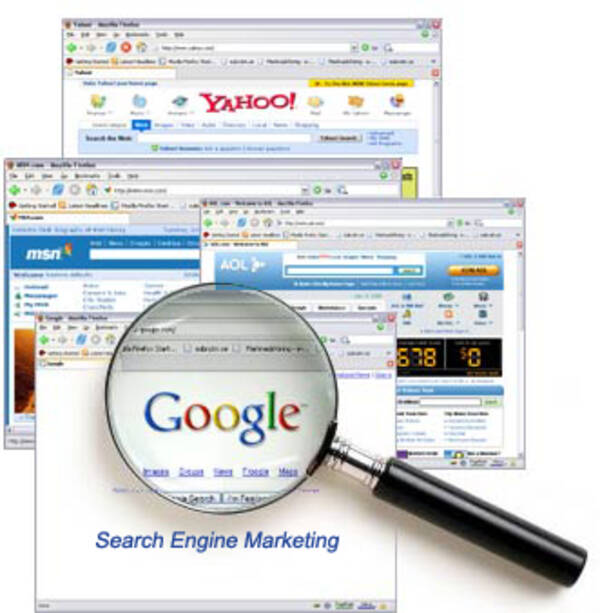
As developers of websites where content is key, one of the questions we are frequently asked by our clients is "how do we ensure our content ranks well in search?" It's a common concern for digital content creators, whether they're launching a new site or refreshing an existing one.
If you're publishing content online, one of your key considerations should be search engine optimization. In other words, you need to do what you can to make sure that people can find your content when they Google it.

Making your website accessible to people with disabilities - whether you’re launching a brand new site, or remediating an existing one - may seem complex when you consider all the components that require attention (in-page navigation, links, colour contrast, forms, and alt tags, among other things). But the right CMS can make the job a lot easier.

For one of our high-traffic clients, we switched the Content Delivery Network (CDN) from Akamai to Amazon CloudFront. This blog post looks at why we decided to change the CDN and describes the switching process. Plus we share some useful tips about how to configure CloudFront.
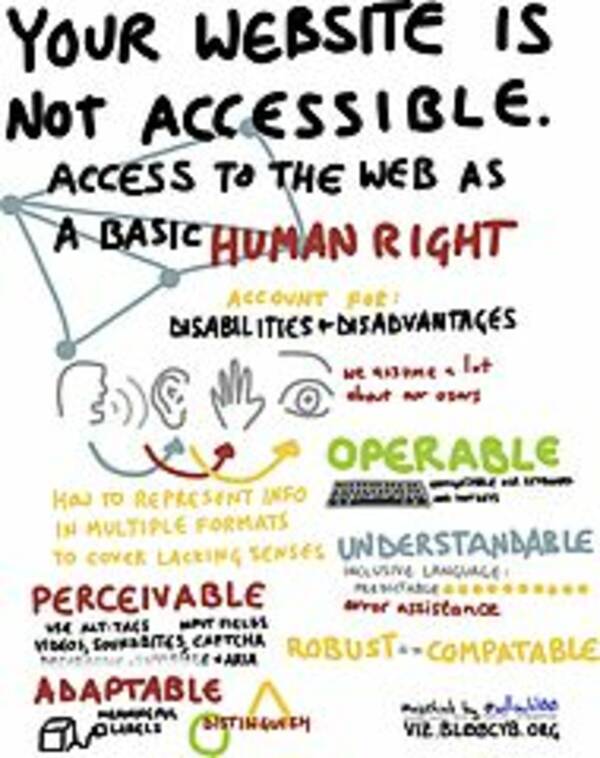
A key component of an accessible website, accessible in-page navigation provides a way for website visitors to jump straight into the main content on your site and access different sections of the page quickly, without having to tab through every link to get there.
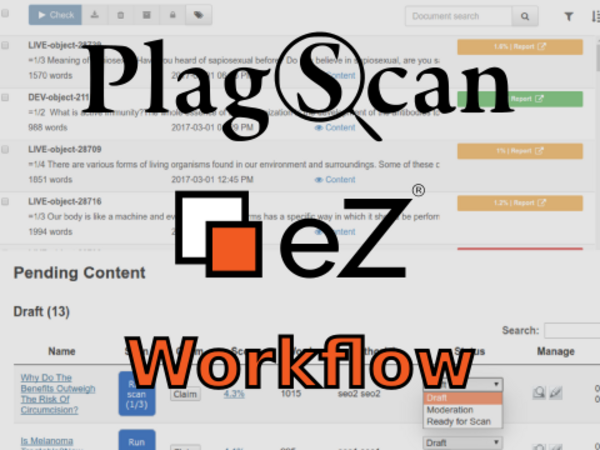
In our case study FindaTopDoc Prescribes eZ Publish for Healthy Content Management, we briefly covered our integration of PlagScan into the editorial approval workflow. When writing about medical topics, content -- especially medical term definitions -- can end up being duplicated on other sites, even if it was not purposely copied. Therefore, it is important for SEO reasons to ensure that all content on the FindaTopDoc site is as unique as possible. Here we'll take a closer look at how the plagiarism scanner integration works.
Mugo partner since 2016
Open Book Canada showcases Ontario’s literary scene, with a focus on books and events produced by the province’s independent, Canadian-owned publishers.

Ensuring your website is accessible to all members of your target audience can add unique requirements that demand novel solutions from your development team.

I recently had a lucky moment and was saved by a happy combination of things, including Assembla, eep, and a couple bits of dev-ops.

Links are the pathways that bind the web and give it structure. For people with web accessibility challenges, perceiving and understanding the links on your website is of utmost importance.

Before you embark on a project to make your website accessible to people with disabilities, it’s critical to understand what such a large and varied audience really looks like -- and what they need from your site.

Insufficient contrasting text elements on your website will limit your audience by preventing users who have difficulty distinguishing colours from comfortably consuming your content.
Mugo Web
Unit 205, 332 Columbia Street
New Westminster, BC
V3L 1A6, Canada
Phone: 604-637-6396
E-mail: hi@mugo.ca