Our library client wanted to allow patrons to apply for library cards via their website. The client had existing restrictions on access to cards. Local residents receive free cards while visitors and non-residents pay a fee. Individual patrons should not have access to more than one library card. Therefore the system had to automatically validate and standardize addresses to support duplicate detection, determine a geographical position for each address, and finally classify addresses as local or non-local. We supported this using GeoJSON and integrating with the library's ILS. We tested this functionality a number of ways, including an exploration into the mathematic principles behind the solution.

The Mugo Web team recently worked with one of our long-time clients, FindaTopDoc.com, to execute a seamless migration from its existing Customer Relationship Management (CRM) system to a new platform.
This project was critical since FindaTopDoc relies on extensive use of CRM integrations to power its physician directory website. Applications range from updating doctors’ searchable listings to managing user-generated content, a pillar of the FindaTopDoc publishing strategy.
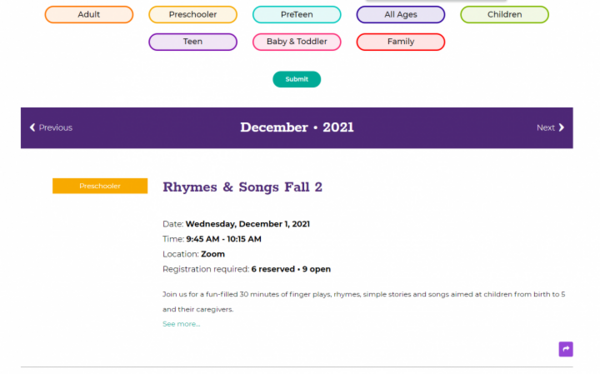
Promoting events and managing attendee registrations is one of the key ways a modern website supports a public library's educational mission. Here at Mugo Web, we’ve developed a comprehensive Custom Event Registration System that lets library staff schedule recurring event series, create waiting lists for popular programs, and even manage sign-ups for multiple children from one family.

Earlier this year we wrote about adopting Vagrant and Terraform in our steady march toward Infrastructure as Code. We recently added a new tool to this list, HashiCorp’s Packer. Packer automates building machine images, and with a single set of provisioners, creates images for multiple builders (such as VirtualBox, DigitalOcean, and Google Cloud).
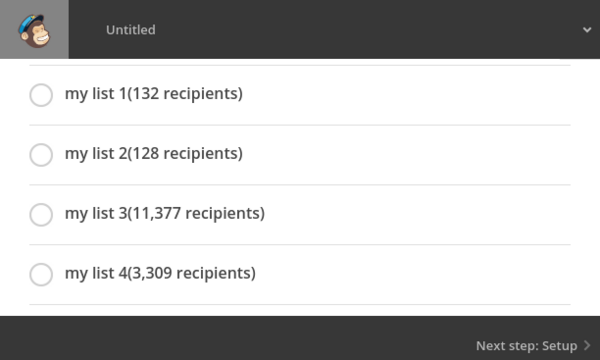
When it comes to creating newsletter campaigns, you have to compile the content and then send that content out through an e-mail marketing service. Having a content management system helps in order to structure your content and automate the creation of the newsletter HTML. Here's an example of a newsletter integration with WordPress and Mailchimp.
Mugo Web
Unit 205, 332 Columbia Street
New Westminster, BC
V3L 1A6, Canada
Phone: 604-637-6396
E-mail: hi@mugo.ca