
Generative AI is shaking up every category of knowledge work, and professional software development is on the front lines of the revolution. With new advancements on the horizon, what does that mean for developers in the here and now? Our team experimented with a few of the leading tools and shared their impressions, along with suggestions on best practices for navigating AI usage in web development.
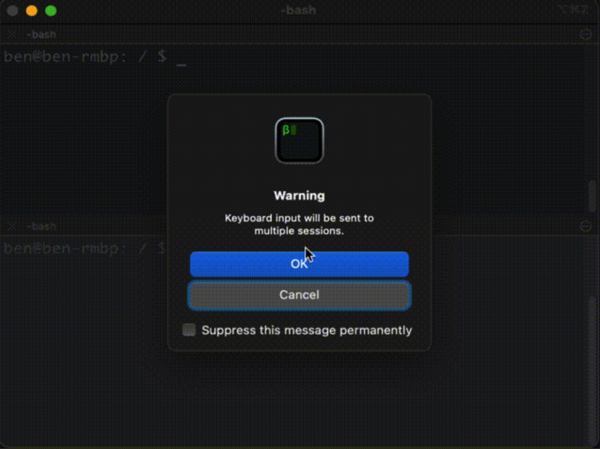
Typing the same instructions into multiple terminals at the same time is a great trick when you have a group of servers that have the same or similar configurations.

WordPress has a flexible and robust ecosystem for creating a wide variety of websites. But when your site needs to grow and expand functionality, having a dedicated, experienced development team to support and build out new features is essential. Learn about Mugo Web’s best practices when it comes to developing in a WordPress environment and see how we’ve helped save clients thousands of dollars with innovative solutions.
Mugo Partner since 2023
Collingwood Public Library’s new website triples site visits and dramatically improves patron usability

Getting the most out of your WordPress site can take some work. You want a site that looks great, loads quickly, and provides a good user experience for visitors. Unfortunately, WordPress sites often struggle with optimizing images, which can cause significant delays in load time and produce sub-optimal experiences for users on mobile devices. With a little effort, you can create responsive images and drastically improve your site’s performance, both for users and search engines.

There's a lot your website needs to communicate to users. When you have crucial information you don't want people to miss, an announcement banner can be a useful way to prioritize that information on your site. While this can be a simple solution, there are several use cases to consider when implementing site-wide banners. Working with our library partners, we've developed a full range of features to help deliver information quickly, effectively, and painlessly for both the front-end user and the back-end administrator.

Monitoring your web infrastructure is key for several reasons. It enables you to gain insights into the performance and health of your resources, identify potential issues, and make informed decisions for optimization. AWS offers a comprehensive monitoring solution through Amazon CloudWatch, which provides built-in metrics and the flexibility to create custom metrics. However, while comprehensive, the free monitoring options available still might not always meet your needs, and upgrading to the next level of configuration might be overkill and drive up your hosting costs. Auditing and customizing your CloudWatch infrastructure is a great way to get the metrics you desire and save money along the way.

As your website grows, custom site search becomes an increasingly important way for users to quickly find the information they need.
Here at Mugo Web, we find that most of our clients’ sites evolve to the point that they want to add a custom search feature. They may simply want to provide a more seamless experience for users as they search for that one how-to blog post from seven years ago, or they may want to guide an intricate search and drill down through a scientific taxonomy.

One of the most helpful uses of website analytics for an ecommerce site is being able to track a user’s journey. Following someone’s path as they enter the site, visit different pages, and reach (or don’t reach) key milestones can tell you a lot about what is working on your site and what isn’t.

Subscription paywalls are an essential part of any publisher’s strategy to build a strong brand and diversified revenue stream. Our team at Mugo Web has worked with several publishers to implement paywalls based on content type, age, and subscription level. Imagine any criteria you can, and we’ve built a paywall to give site visitors gated access to premium content.

Your website can have the best data in the world, but it quickly loses value if your users struggle to find it. Solid search features and intuitive filtering options can increase discoverability and lead to more sales.
We’ve helped several of our partners by creating better solutions for searching to address this issue. Our book publisher clients using the ReaderBound platform have very rich data sets they need to make use of for discoverability, presentation, and sales.

Mugo Web
Unit 205, 332 Columbia Street
New Westminster, BC
V3L 1A6, Canada
Phone: 604-637-6396
E-mail: hi@mugo.ca